6 Safety Risks of Skipping Auto Repair Service
Operating a motor vehicle carries inherent daily responsibilities, with driver, passenger, and pedestrian safety remaining the absolute highest priority on every journey. Modern automobiles are complex mechanical and technological systems built with intricate safety features, interconnected mechanical assemblies, structural support frameworks, and sensitive electronic sensor networks that require continuous evaluation, precise adjustments, and ongoing maintenance. Over time, everyday driving conditions cause natural wear and tear on essential operating components, including braking systems, tires, steering linkages, suspension joints, exhaust pipes, and engine assemblies. Postponing necessary vehicular maintenance or ignoring subtle operational warning signs creates severe, unnecessary hazards for everyone sharing the public roadways. Understanding the specific dangers associated with neglected vehicular care helps conscientious drivers make informed decisions that prevent catastrophic mechanical failures and safeguard human lives across every mile.
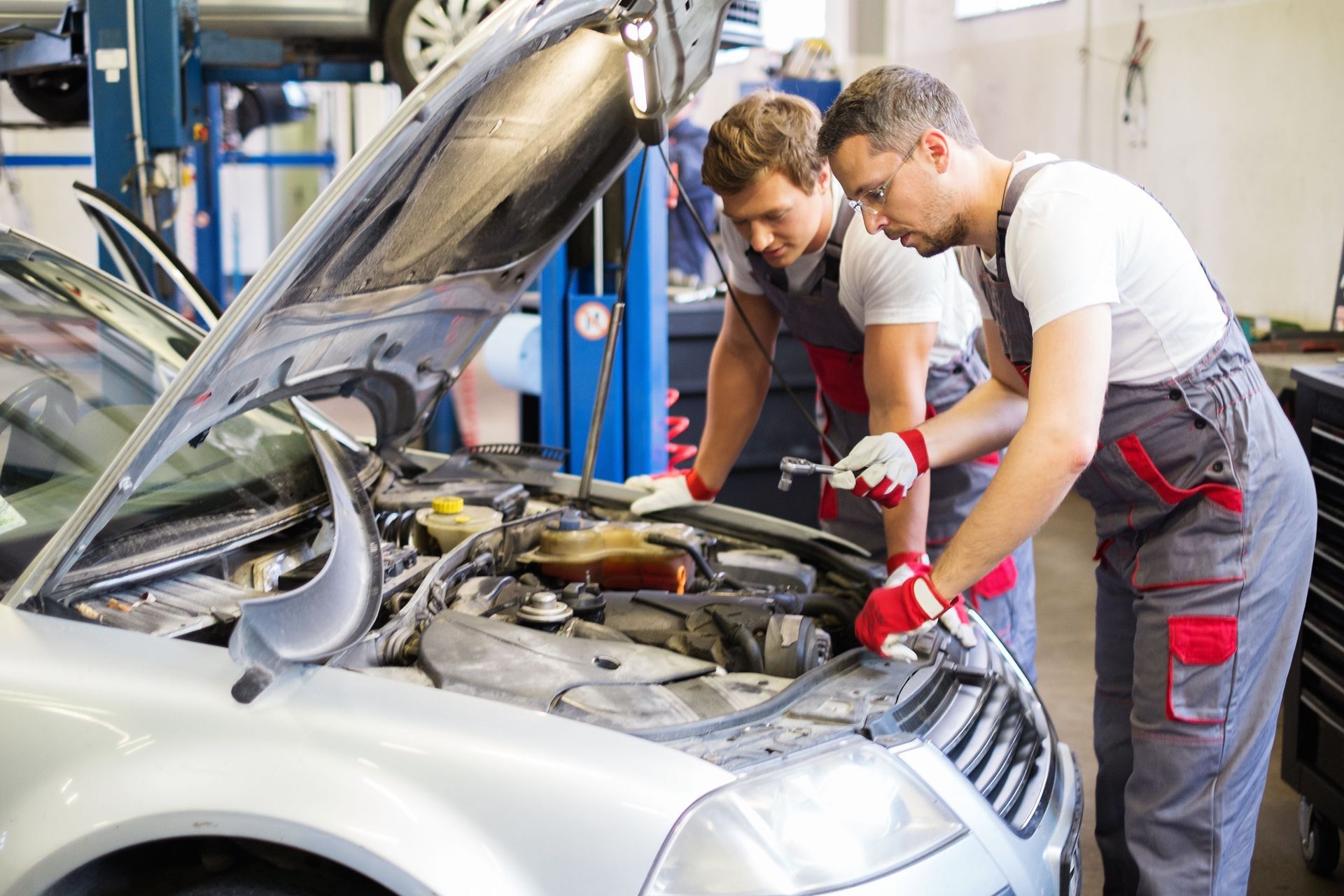
Many vehicle owners underestimate how quickly a minor mechanical defect can develop into a life-threatening hazard while driving at highway speeds. When routine inspections and necessary component replacements are continually delayed, critical physical safety barriers begin to deteriorate silently behind the scenes. Seeking professional auto repair service ensures that certified technicians thoroughly evaluate hidden mechanical components, rectify subtle structural flaws, and maintain optimal vehicle operational performance. Prioritizing routine vehicular care eliminates unexpected hazards, preserves structural integrity, supports long-term reliability, and guarantees that active safety features respond predictably during emergency situations on the open road.
1. Compromising Braking Efficiency and System Response
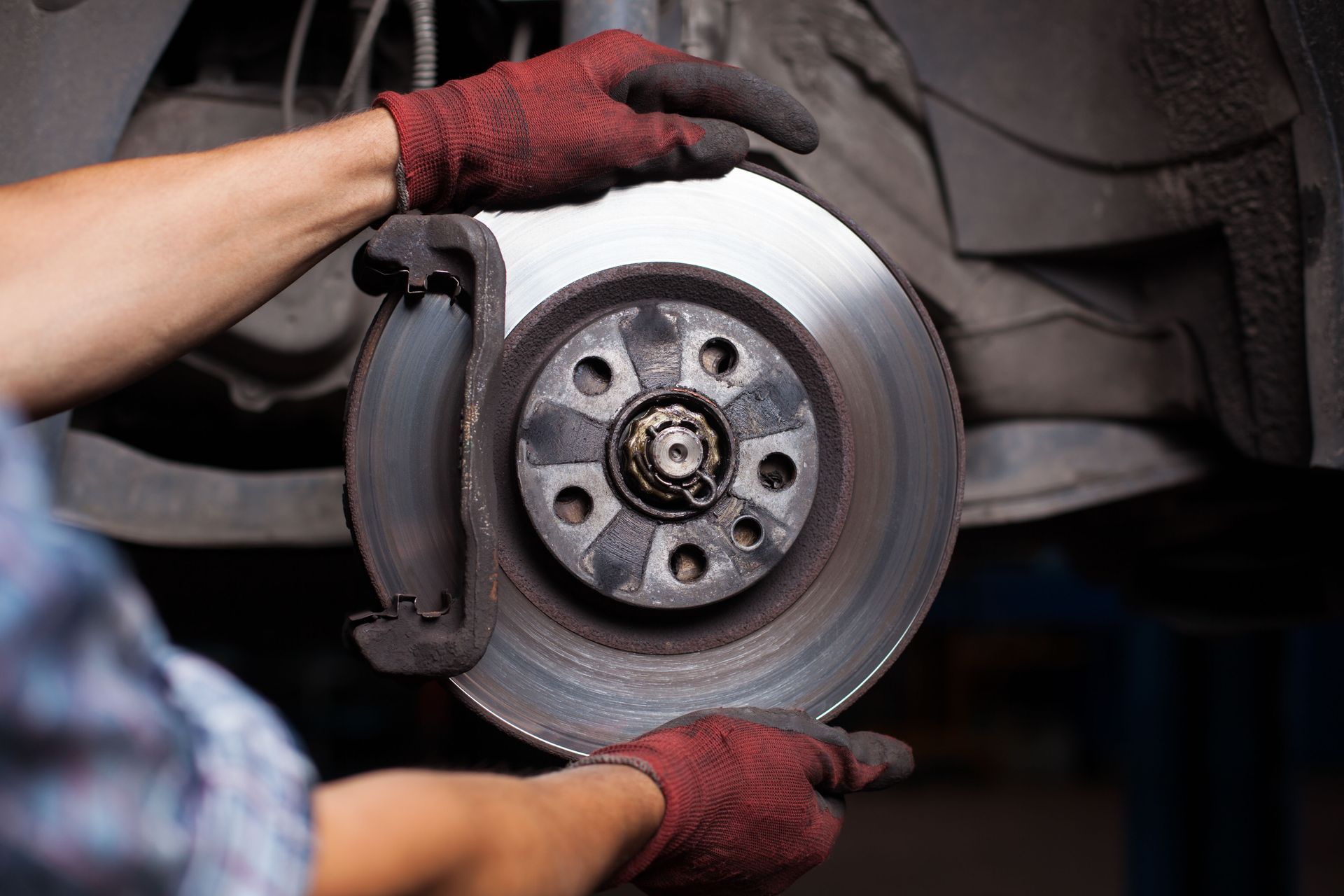
Braking systems serve as a vehicle's primary defense against sudden road hazards, allowing drivers to slow down, navigate unexpected traffic obstacles, and come to complete stops rapidly during critical moments. Over time, physical friction wears down brake pads, degrades hydraulic fluid, corrodes metal brake lines, and thins steel rotors, directly reducing overall stopping power. Operating a motor vehicle with worn or damaged braking components increases stopping distances significantly, making sudden stops in heavy traffic, school zones, or wet weather conditions exceptionally dangerous for everyone involved.
Ignoring clear warning indicators like squealing noises, grinding sounds, spongy pedal responses, or steering wheel vibrations during braking compromises overall road safety and vehicle controllability. Scheduling timely auto repair service keeps essential braking components within safe operating specifications and ensures hydraulic fluid lines remain properly pressurized without fluid leaks or air pocket contamination. Meticulous brake maintenance guarantees that your vehicle stops quickly and predictably, preventing severe rear-end collisions and safeguarding passengers across every driving environment.
2. Increasing the Risk of Tire Failure and Blowouts
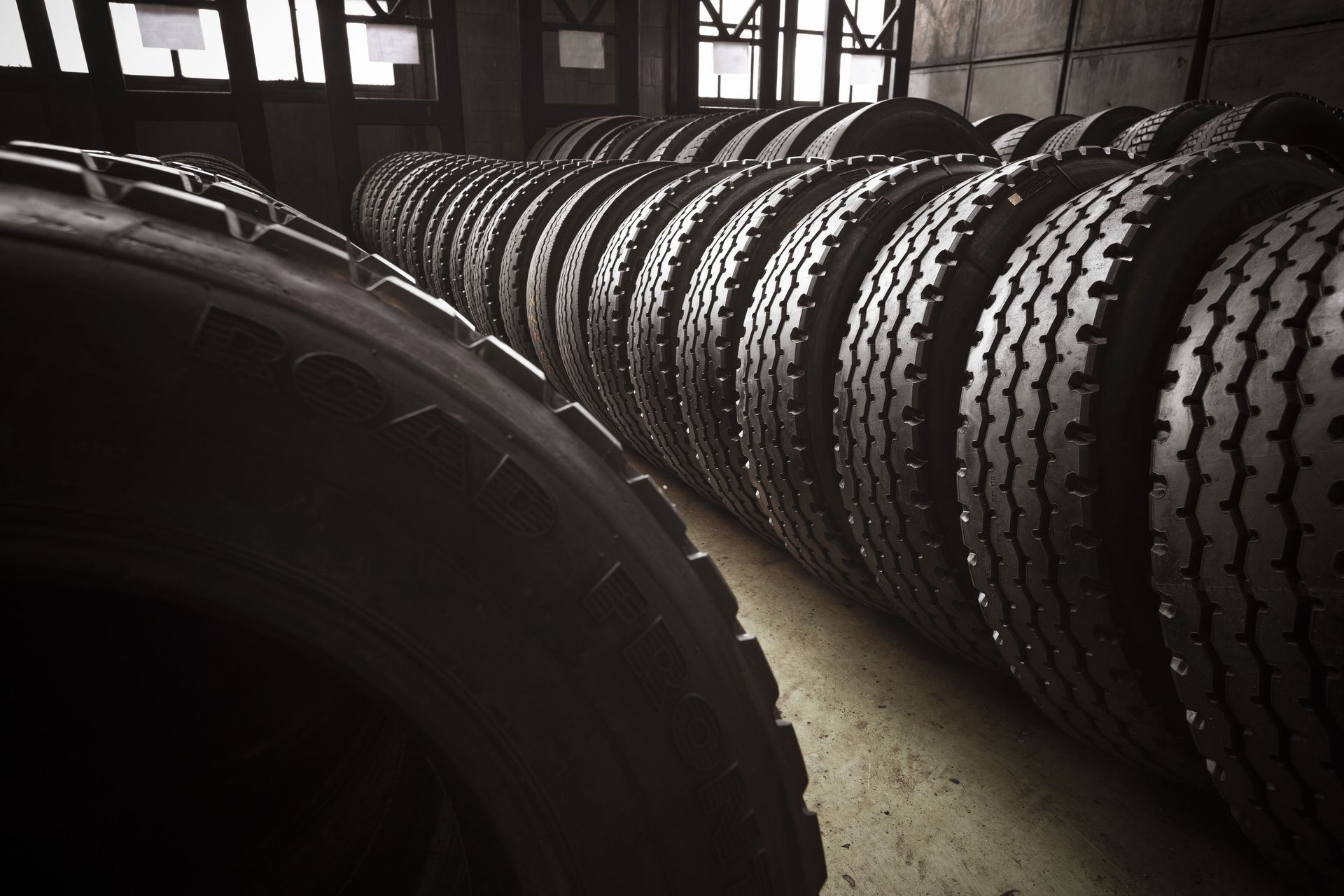
Tires represent the single physical point of contact between a moving vehicle and the roadway surface, making tire structural condition fundamental to overall vehicle control, acceleration, and braking stability. Driving on tires with shallow tread depth, uneven wear patterns, improper inflation pressure, or visible sidewall cracks severely impairs traction, especially during rain, ice, or winter weather. Worn tread increases the likelihood of dangerous hydroplaning, where tires lose physical contact with the road surface and glide uncontrollably across standing water.
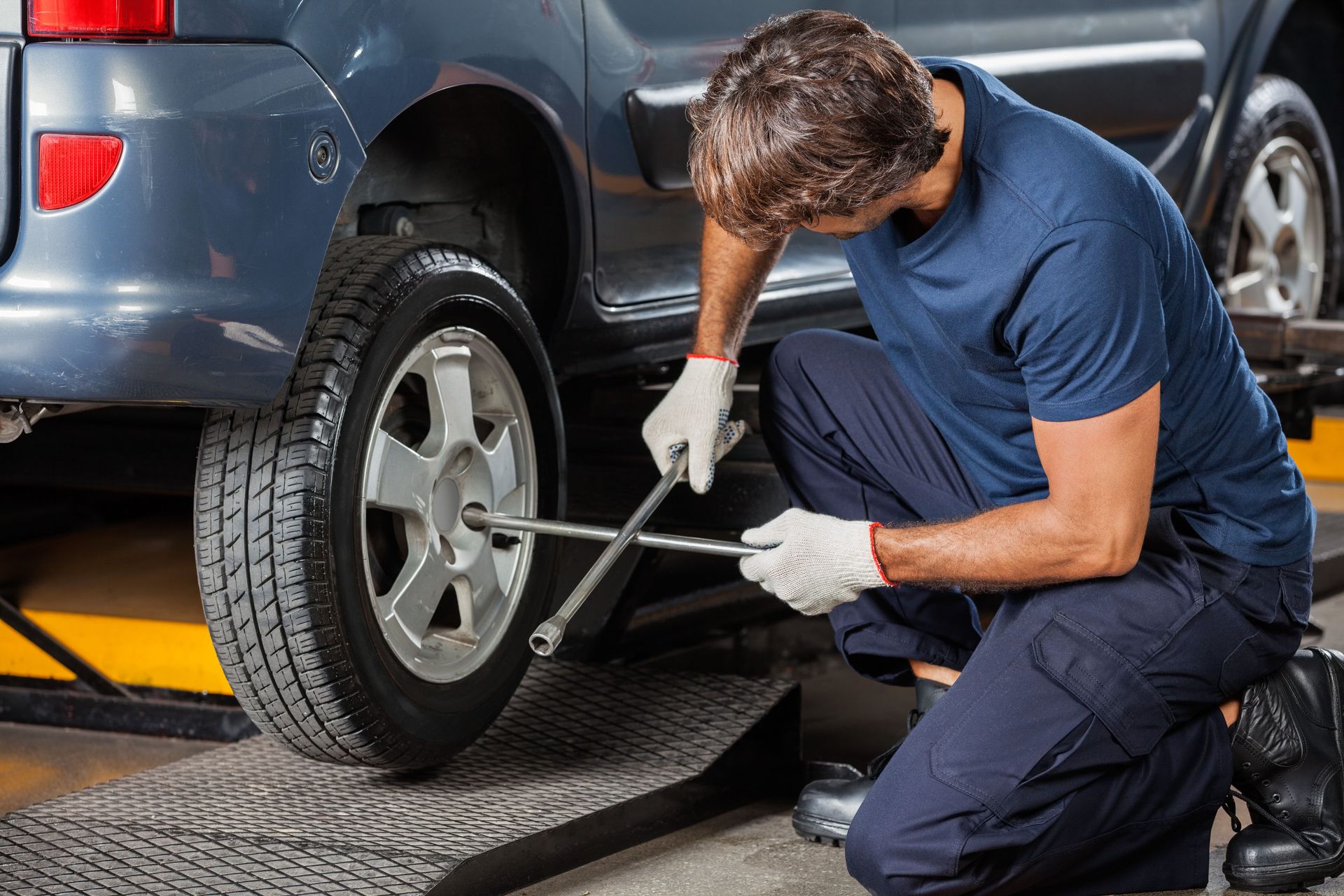
According to Kelley Blue Book, typical passenger vehicles traveling on American roadways have an average age approaching 13 years. As automobiles age, maintaining proper tire alignment, wheel balance, tire rotation, and tread depth becomes increasingly critical for avoiding catastrophic highway blowouts at elevated speeds. Relying on routine auto repair service guarantees that qualified technicians inspect tire structural integrity, perform necessary tire rotations, and correct suspension alignment issues before severe tread degradation compromises vehicle handling and highway safety.
3. Degrading Steering Control and Suspension Stability
Steering and suspension systems maintain vehicle stability, absorb harsh road impacts, preserve tire contact, and allow drivers to control direction accurately during daily travel. Worn shock absorbers, damaged struts, loose ball joints, worn tie rod ends, or degraded sway bar links cause erratic vehicle handling, excessive body roll during sharp turns, and severe steering instability over rough surfaces. When suspension components fail to maintain consistent tire contact with the road, steering control becomes loose, sloppy, and highly unpredictable.
Degraded suspension components increase the difficulty of maintaining vehicle control during emergency avoidance maneuvers, such as swerving to avoid road debris, wildlife, or sudden traffic stoppages. Loose steering linkages can cause drivers to drift out of lane boundaries or lose physical control over uneven pavement surfaces. Comprehensive mechanical evaluations identify worn suspension joints and steering components early, restoring firm handling, predictable steering response, and complete vehicular stability across all road conditions.
4. Ignoring Exhaust Hazards and Dangerous Cabin Fumes
A vehicle's exhaust system channels harmful combustion gases away from the engine bay and interior passenger cabin while filtering toxic emissions through catalytic converters. Cracks in exhaust manifolds, leaking flange gaskets, or rusted tailpipes can allow dangerous odorless gases, such as carbon monoxide, to seep directly into the interior passenger cabin. Inhaling these toxic combustion gases while driving causes severe headaches, dizziness, drowsiness, confusion, and impaired cognitive function, severely increasing accidental collision risks.
In addition to interior cabin health hazards, a damaged or leaking exhaust system allows superheated exhaust gases to vent directly near flammable vehicle underbody components, creating potential fire hazards. Investing in regular auto repair service ensures that experienced technicians examine exhaust piping, verify gasket seals, inspect heat shields, and check catalytic converters for physical damage or structural leaks. Maintaining an airtight, properly functioning exhaust system keeps interior cabin air clean, safeguards passenger health, and prevents thermal damage beneath your vehicle.
5. Risking Sudden Engine Stalls and Power Loss
Engine operational reliability is fundamental to overall vehicle safety, particularly when navigating high-speed highways, merging onto busy expressways, climbing steep grades, or crossing busy intersections. Neglecting basic engine maintenance, such as replacing worn spark plugs, clogged fuel filters, dirty air filters, or aging timing belts, severely impairs engine performance and throttle responsiveness. Engine hesitation, severe misfires, sudden stalls, or complete power loss in active traffic lanes creates immediate hazards for surrounding vehicles traveling behind you.
A sudden loss of engine power also causes the immediate loss of power steering assistance and power brake vacuum, making the vehicle significantly harder to steer and stop safely during an unexpected stall. Routine mechanical upkeep prevents internal engine component wear, fuel delivery disruptions, electronic sensor failures, and sudden mechanical lockups. Proactive mechanical care preserves reliable engine power, ensuring your vehicle responds smoothly and predictably whenever acceleration is needed to navigate complex, fast-moving traffic situations.
6. Overlooking Essential Visibility and Lighting Failures
Clear visibility and operational lighting are essential for identifying potential road hazards, reading traffic signs, maintaining lane positioning, and communicating driving intentions to other motorists. Burned-out headlights, dim taillights, non-functioning brake lights, or cracked turn signals prevent surrounding drivers from recognizing your vehicle or anticipating your stops and turns. Furthermore, worn windshield wiper blades and failed washer fluid pumps severely impair driver vision during heavy rain, snowstorms, or muddy road conditions.
Operating a vehicle with compromised exterior lighting or streaked, dirty windshields dramatically increases collision risks during nighttime travel, overcast weather, or severe storms. Choosing proactive auto repair service guarantees that electrical systems, exterior bulbs, fuses, and wiper assemblies receive thorough diagnostic testing and timely component replacement. Maintaining clear automotive glass and fully operational exterior lighting ensures optimal visibility, clear signaling, and complete situational awareness across every driving environment.
If you are ready for comprehensive auto repair service and want to ensure your vehicle remains completely safe on the road, contact us at Precision Auto & Diesel today. We will help you maintain a reliable, perfectly functioning automobile for every journey ahead.
















Share On: